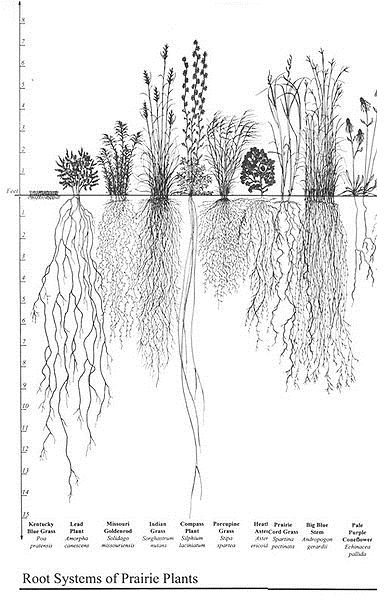
In the field of project management, problem solving is an key concept and understanding the root cause of a problem is a crucial part of finding solutions. There are many different methods of root cause analysis, and a good project manager needs be aware of them. Here’s what you need to know
How You Can Benefit From Root Cause Analysis
As the name implies, root cause analysis (or RCA for short) is a method for finding the root cause of a situation or a problem so that it can be dealt with in the most efficient manner.
There is more than one method of doing this type of analysis, and as you’ll learn, RCA has evolved from a very humble beginning of problem solving. Two of the most well-known forms of root cause analysis are the 5-Why method and the Fishbone Diagram. Learning how to use the different methods helps you to select the best one to use given the nature of a situation.
Root cause analysis and problem solving are closely related concepts within project management, and by identifying the root cause of a problem, the problem solving process becomes a manageable and effective one.
Basics of Root Cause Analysis
Root cause analysis has many uses within the field of project management. RCA is something all project managers will have to deal with at some point in a project because unanticipated problems or situations can be very common depending on the industry and scope of the actual project.
- A Brief History of the Root Cause Analysis
- Using RCA to Understand the Crux of a Problem
- Example of a Root Cause Analysis in Project Management
- Basic Root Cause Analysis Techniques
- Choosing a Root Cause Analysis Technique
- Tips For Performing a RCA
- Scenarios Involving a Root Cause Analysis
- Organizing the Root Cause Questions
- Overviews of Different Root Cause Analysis Methods
- How Has Root Cause Analysis Evolved Over Time?
5-Why for Root Cause Analysis
The 5-Why technique is a method of root cause analysis that asks the question “why?” on multiple levels to identify the root of the problem. The 5-why method may seem simple, but that’s where its power lies: instead of overanalyzing a problem, the 5-why method gets right to the point and reveals what needs to be addressed.
- The Six Sigma 5 Why Method Explained
- Six Sigma DMAIC Phase 3: Analyse
- Comparison between 5 Why and Fishbone
Fishbone Analysis
The Fishbone diagram is an efficient method of mapping out the various levels of root cause analysis and takes cause and effect into consideration. The name of the Fishbone diagram comes from its characteristic shape, where the head of the fish is the problem being researched, and the bones of the fish are the root causes.
- Creating a Six Sigma Fishbone Diagram
- Creating a Fishbone Diagram in Microsoft Excel
- Fishbone vs Apollo Root Cause Analysis
- Fishbone Diagram Examples
- Top 5 Fishbone Diagram Tools
Root Cause Analysis Resources
Root cause analysis may have more uses within project management than meets the eye. Additionally, there are more specialized types of root cause analysis than just a 5-why or a Fishbone diagram. Using these advanced resources helps in scenarios where more information is needed to determine root causes:
- Tips for Documenting Root Cause Analysis Findings
- Problem Solving with 8D Root Cause Analysis
- Using Dandelion Diagrams in RCA
- Failure Analysis in RCA
- Mapping Root Cause Analysis
- Using Fault Tree Analysis
- Using RCA within a Pareto Analysis
- When is Fault Tree Analysis Most Appropriate?
Brainstorming for RCA
Brainstorming is an integral part of any root cause analysis. Each method of RCA requires at least some degree of brainstorming and mind mapping to identify all the different levels of cause and effect.
Root cause analysis is something that can be completed by the project manager alone, but in many cases it’s important to get the input of the entire team. When this is the case, organized brainstorming is a must.
- Brainstorming Techniques in Project Management
- Project Managers and Brainstorming
- Helpful Brainstorming Templates
- Guide to Collaborating and Brainstorming in Teams
- Project Management Mind Mapping Techniques
RCA Forms and Templates
Creating your own root cause analysis charts and diagrams can be a tedious task; fortunately there are many free examples and templates available. In many cases, you’ll need to customize these templates in order to meet your specific needs, but they provide a good general framework for performing a RCA.
- Root Cause Analysis Forms and Diagrams
- Root Cause Analysis Report Sample Template
- Sample of a Barrier Analysis
- Fishbone Diagram MS Word Template
- Fishbone 6M Diagram Template for Excel
Additional Problem Solving Resources
The heart of root cause analysis is problem solving, and the aim of any RCA is to identify the root problem and solve it satisfactorily. These additional problem solving resources can help you look at problems in a different context and possibly identify alternative solutions.
- Problem Solving Techniques in Project Management
- Effective Group Problem Solving Techniques
- The Traditional Problem Solving Process
We’d love to hear your input! Please use the comments section below to let us know what you think about this guide and how we could improve it.
References
Image:
Plant Root Systems US EPA Public Domain
Advertisement