Every project manager needs to identify project stakeholders and determine their needs and expectations of the project. Effective communication between stakeholders will ensure the project is successful and that everyone is on the same page.
Types of Project Stakeholders
A stakeholder is someone that is involved in your project or has a vested interest in its success or failure. Knowing who your project stakeholders are is important and the process begins by developing healthy relationships. They help decide on issues from the beginning, during planning and at execution of the project. Therefore, stakeholders should understand how the project functions, including the project scope, milestones and goals. This article will discuss the main types of stakeholders and how each fits into the project. [caption id=“attachment_132931” align=“aligncenter” width=“677”]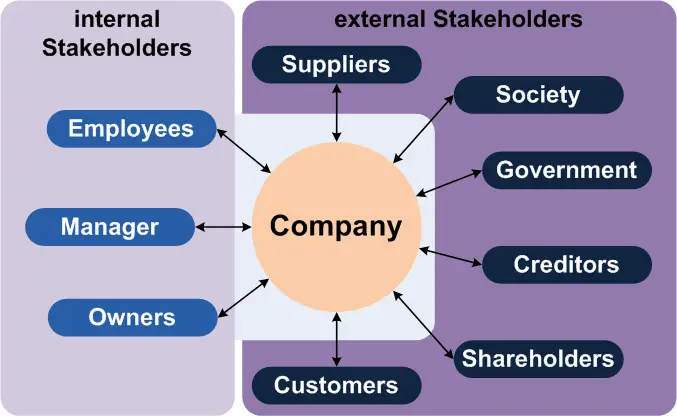 Stakeholders include internal and external parties[/caption] There are five major types of stakeholders:
- Project manager
- Project team
- Functional management
- Sponsors
- Customers
Within the stakeholders, you have both internal and external classifications. Internal stakeholders are those directly affected by the project, such as employees. External stakeholders are not a part of the business, such as vendors or suppliers, but have an interest in its outcome. Primary and Secondary Stakeholders Primary stakeholders have a major interest in the success of a project because they are directly affected by the outcome. Customers and end users are primary stakeholders as well as some project sponsors, project managers, and team members. Project sponsors are responsible for the overall success and vision of the project. They should provide feedback and make decisions regarding project implementation and assure that the project manager remains on task. Sponsors allocate and supply resources and finances to fund the project. The sponsor should have a clear understanding of what’s expected in accordance with the scope, schedule, and resources needed for the project. Success of a project is largely dependent on the project sponsor’s leadership and support. The leadership provided by the sponsor helps identify cost overruns and provides alternatives in order to remain on budget. Secondary stakeholders also help to complete the project. Though their role isn’t primary, they assist with administrative processes, financial, and legalities. Communication between primary and secondary types of stakeholders will ensure that everyone is working toward the same goal. Lack of communication can cause a breakdown within the project. Internal and External Stakeholders Project managers are internal stakeholders because they are directly involved in developing the project. They have authority to manage the project by handling responsibility of work performance, organizing and planning; effectively ensuring that all phases of the project are done accurately and efficiently. Vendors, suppliers, and outside organizations are external stakeholders because they supply needed elements for a project’s success, they need to stay in communication at all times on goals, milestones and deliverables. Direct and Indirect Stakeholders Direct stakeholders are concerned with the day to day activities of a project. Team members are direct stakeholders as their workloads are scheduled around the project each workday. Indirect stakeholders are not impacted by the project. Those not affected are your customers and end users, because their concern is with the finished project. This would be the quality of merchandise, price, packaging, and availability. The management of stakeholder responsibility is very important to the success of a project. It’s important to define the various types of stakeholders, their needs or interests, and communicate with them effectively.